
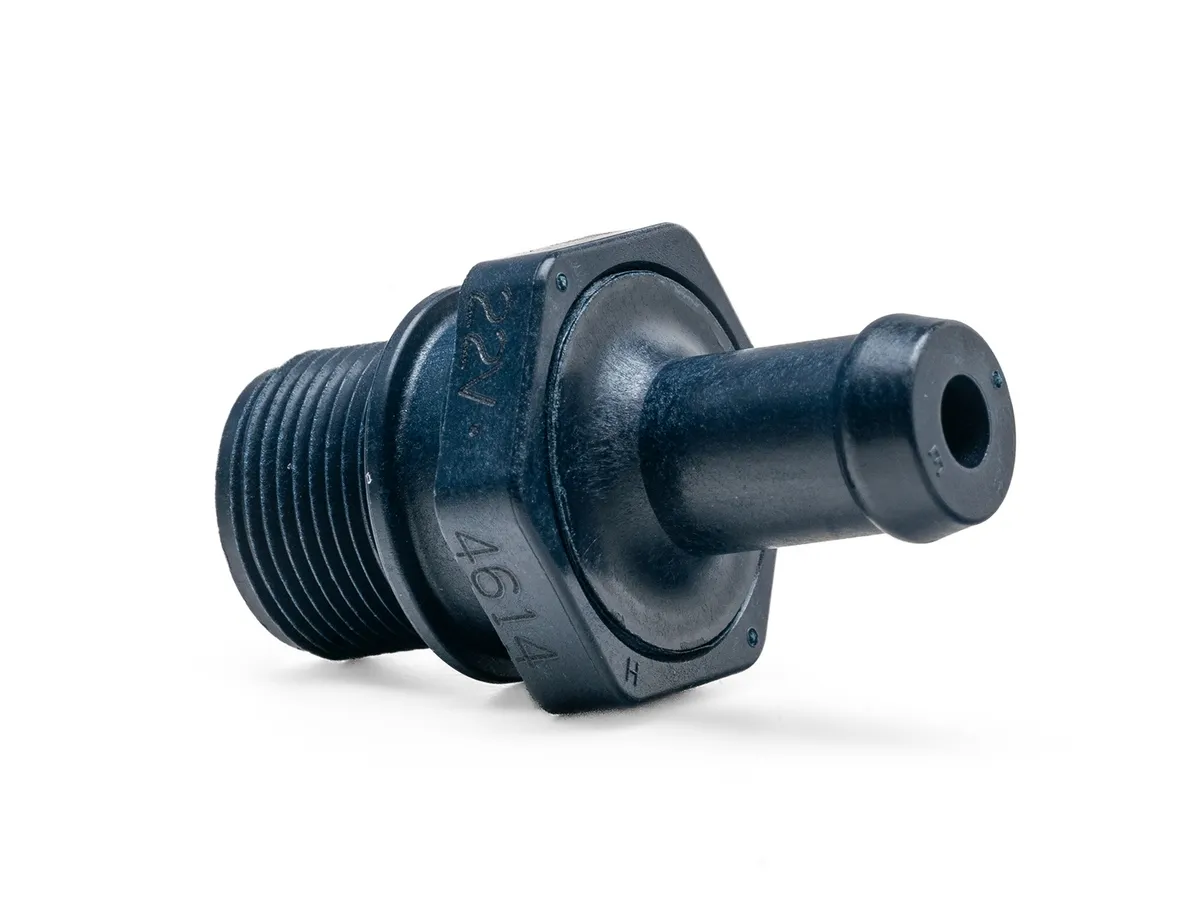
If you’ve ever wondered what the PCV valve does or why it’s mentioned so often in engine diagnostics, you’re not alone. The PCV valve—short for Positive Crankcase Ventilation valve—might be one of the smallest components in your car’s engine, but it plays a major role in maintaining engine performance, emissions control, and overall longevity.
This guide breaks down everything you need to know about the PCV valve function, what it does, where it’s located, and why it matters.
What Does “PCV” Stand For?
(PCV Valve Full Form, Positive Crankcase Ventilation Valve)
PCV stands for Positive Crankcase Ventilation. The crankcase is the part of your engine that houses the crankshaft and collects engine oil. During combustion, some gases inevitably escape past the piston rings into the crankcase—a phenomenon called blow-by. These gases contain unburned fuel, moisture, and combustion byproducts that can contaminate oil, corrode parts, and increase pressure inside the crankcase.
Enter the PCV valve, which serves a vital role in removing these gases in a controlled and efficient way.
What Does the PCV Valve Do?
(PCV Valve Function, What Is PCV Valve and What Does It Do?, Function of PCV Valve)
The main purpose of the PCV valve is to ventilate harmful blow-by gases from the crankcase and redirect them back into the engine’s intake manifold to be burned again. This prevents pressure buildup, reduces emissions, and helps keep engine oil clean.
In Simple Terms:
Think of the PCV valve as a one-way breathing valve for your engine.
It lets dirty gases exit the crankcase but prevents them from flowing back in.
It protects internal seals and gaskets from pressure-related damage.
It reduces oil sludge by removing moisture and combustion byproducts.
It plays a key role in emission control systems by recycling unburned hydrocarbons.
How Does the PCV Valve Work?
(Automotive PCV Valve, Engine PCV Valve)
The typical automotive PCV valve uses a spring-loaded plunger or ball mechanism that reacts to engine vacuum. Here’s how it works in different engine conditions:
At Idle:
Engine vacuum is high.
The PCV valve restricts flow to prevent excessive ventilation.
Under Acceleration:
Vacuum drops.
The valve opens wider to allow more blow-by gases to be vented.
This self-regulating action makes the PCV valve efficient across a wide range of engine operating conditions.
Why Is the PCV Valve Important?
(PCV Valve Use, What’s PCV Valve Good For?)
A properly functioning PCV system contributes to:
✅ Cleaner engine oil and reduced sludge buildup
✅ Reduced engine wear from acid and moisture contamination
✅ Lower emissions, by burning crankcase vapors instead of venting them into the air
✅ Improved fuel economy and engine efficiency
✅ Preventing oil leaks caused by crankcase pressure buildup
In short, a car PCV valve might be small, but it supports major systems across your engine.
PCV Valve vs. Related Components
The PCV system includes more than just the valve:
PCV Hose/Tubing: Connects the valve to the intake manifold.
Oil Separator or Baffle: Prevents oil droplets from entering the intake.
Breather Filter: Allows clean air into the crankcase for circulation.
If any of these components fail—especially the PCV valve hose—the entire system can malfunction.
Where Is the PCV Valve Located?
(PCV Valve Location, PCV Valve Automotive)
In most vehicles, the PCV valve is located on:
The valve cover
The intake manifold
Or directly attached to the engine block via a hose
⚠️ Important: The PCV location varies by make and model. For example:
On many Toyota and Honda engines, it’s on top of the valve cover.
On Ford or Chevrolet engines, it may be hidden near the intake manifold.
Tip: Always consult your owner’s manual or search “PCV valve [Your Car’s Make/Model]” for accurate location info.
PCV Valve Definition Recap
Let’s wrap it up with a clear definition:
The PCV valve, or Positive Crankcase Ventilation valve, is a one-way valve that routes blow-by gases from the crankcase back to the intake manifold for re-combustion, helping reduce pressure, prevent oil contamination, and control emissions.
Conclusion: Small Valve, Big Impact
The PCV valve may be a simple part, but its function in your car’s engine health is critical. Neglecting it can lead to oil leaks, increased emissions, poor fuel efficiency, and long-term engine wear.
Want to know if your PCV valve is failing? Check out our next article:
👉 “Symptoms of a Bad PCV Valve: What to Look For & How to Test It”
