
A mixer valve—also known as a mixing valve—is a plumbing device that blends hot and cold water to deliver water at a consistent, controlled temperature. Mixer valves are essential in showers, faucets, water heaters, and hydronic heating systems because they protect users from scalding and ensure temperature stability.
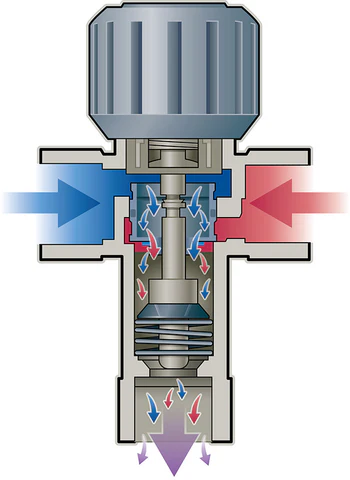
1. Mixer Valve Definition
A mixer valve is a valve that combines two water streams (hot and cold) and outputs water at a regulated temperature.
Simple definition:
A mixer valve mixes hot and cold water to provide safe, comfortable, and stable temperature water.
Where it is used:
Showers and bathtub faucets
Bathroom and kitchen mixers
Domestic hot water systems
Boilers and hydronic heating
Solar water heaters
Radiant floor heating
2. How Does a Mixer Valve Work?
Mixer valves can be manual or thermostatic, but the working principle is similar:
They mix a controlled ratio of hot and cold water using internal mechanisms like cartridges, spools, or thermostatic elements.
Basic working steps:
Hot water enters the valve.
Cold water enters the valve.
The valve mechanism blends the two streams.
Output water leaves at the user-set or pre-set temperature.
The key function:
Keep the water temperature stable even when pressure or temperature upstream changes.
3. Types of Mixer Valves
1. Manual Mixer Valve
Uses a handle or knob
User adjusts hot/cold ratio manually
Common in faucets and simple shower mixers
No protection against sudden temperature spikes
2. Thermostatic Mixing Valve (TMV)
Automatically controls output temperature
Contains a thermostatic element (wax or bi-metal)
Adjusts hot/cold mix when incoming temperature or pressure fluctuates
Provides anti-scald protection
Required in many building codes for water heaters
3. Pressure-Balancing Mixer Valve
Maintains temperature by balancing hot and cold pressure
Common in modern showers
Prevents sudden hot-water bursts when someone flushes a toilet
4. 3-Way Mixing Valve (HVAC & heating systems)
Used in boilers and radiant heating
Mixes return water with supply water
Controls hydronic system temperature
4. Why Mixer Valves Are Important
Mixer valves are essential for both safety and comfort.
Key benefits:
Prevents scalding (especially thermostatic types)
Maintains steady temperature despite pressure fluctuations
Improves user comfort in showers and faucets
Protects water heaters and plumbing systems
Saves energy in heating systems
5. Mixer Valve vs. Mixing Valve: Are They the Same?
Yes.
“Mixer valve” and “mixing valve” are used interchangeably in plumbing.
Some regions prefer mixer valve, others mixing valve, but they mean the same device.
6. Common Applications of Mixer Valves
Home Plumbing
Shower mixers
Bathtub mixers
Sink faucet mixers
Whole-house hot water mixing (hydronic boiler systems)
Commercial Buildings
Hotels
Hospitals (strict anti-scald requirements)
Schools
Nursing homes
Industrial/HVAC
Hydronic heating
Chilled-water systems
Process temperature control
7. Symptoms of a Faulty Mixer Valve
A failing mixer valve can create serious safety and comfort issues.
Common symptoms:
Sudden temperature changes while showering
Only hot or only cold water comes out
Shower becomes lukewarm and won’t get hot
Water pressure drops
Temperature fluctuates when other fixtures run
Valve handle is hard to turn
Leaks around the mixer body
Scalding risk or very slow temperature response
A bad thermostatic mixing valve is a common cause of inconsistent hot water.
8. How Long Do Mixer Valves Last?
Most well-made mixer valves last:
5–15 years for shower/faucet cartridge mixers
5–7 years for thermostatic mixing valves (TMVs) in hard water
15+ years for brass 3-way mixing valves in HVAC systems
Regular descaling extends lifespan significantly.
9. Mixer Valve Installation Tips
Install as close as possible to the point of use
Follow temperature range (typically 38–50°C / 100–122°F)
Use strainers to prevent debris damage
TMVs require periodic servicing
Insulate hot water pipes for stability
10. Conclusion
A mixer valve is a critical plumbing and HVAC component that ensures safe, stable, and comfortable water temperature. Whether in a shower, a sink, a water heater, or a hydronic heating system, the mixer valve plays an essential role in preventing scalding, maintaining comfort, and protecting plumbing components.
